
Add Row
Add Element
cropper
update
Best New Finds
update
Add Element
  • Home
  • Categories
    • AI News
    • Tech Tools
    • Health AI
    • Robotics
    • Privacy
    • Business
    • Creative AI
    • AI ABC's
    • Future AI
    • AI Marketing
    • Society
    • AI Ethics
    • Security
June 06.2025
2 Minutes Read

Hugging Face's SmolVLA: Efficiency in Robotics That Runs on a MacBook

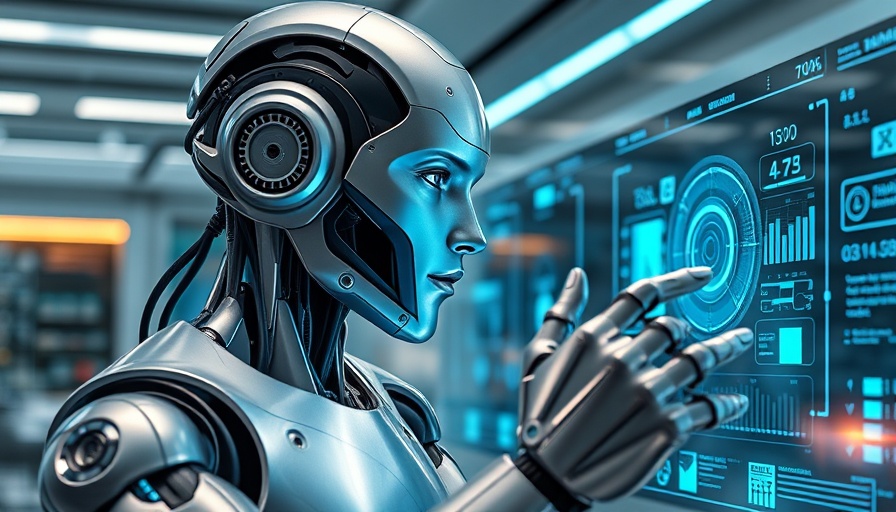
Futuristic robot interacting with holographic screens, symbolizing the future of robotics.

Hugging Face's SmolVLA: A Game-Changer in Robotics

The advancements in robotics technology are moving at breakneck speed, and Hugging Face is setting a new precedent with their latest model, SmolVLA. Designed for efficiency, this innovative model can run seamlessly on standard consumer devices like a MacBook. This breakthrough isn't just a tech novelty; it opens the door for tech enthusiasts and developers to explore robotics in an entirely new way.

Making Robotics Accessible

The launch of SmolVLA is part of Hugging Face's broader mission to democratize robotics. By offering an AI model that is both lightweight and powerful, Hugging Face aims to enable more people—including students, hobbyists, and young professionals—to engage with robotics projects without the need for expensive hardware. As technologies evolve, accessibility becomes a defining factor in innovation, and SmolVLA's open-access framework is a prime example of this shift.

Understanding the Technology Behind SmolVLA

SmolVLA stands out with its 450 million parameters optimized for handling vision, language, and action (VLA) within robotic systems. Moreover, its “asynchronous inference stack” is a noteworthy feature allowing robots to react swiftly, a crucial advantage in dynamic environments. This means that robots powered by SmolVLA can better interact with the world around them, leading to practical applications across various fields such as healthcare, manufacturing, and education.

Robotics in Everyday Life

As robotic tech becomes more embedded in our daily routines, the potential for SmolVLA is immense. Imagine controlling a robotic arm for home projects or automating simple tasks around the house—all possible with this new model. This trend indicates a shift where advanced technology is not just confined to laboratories but becomes integrated into everyday experiences.

The Future of Robotics Development

The implications of this robotics model stretch into the future of technology, especially as AI and robotics converge. The ability of individuals to download and implement sophisticated models like SmolVLA can lead to innovative solutions for common problems, ranging from household conveniences to education tools. This trend emphasizes evolving tech landscapes where anyone armed with creativity and the right resources can contribute to meaningful developments in the industry.

Getting Started with Robotics

For aspiring tech enthusiasts eager to dive into robotics, the introduction of SmolVLA represents both an opportunity and a call to action. Accessing this technology is easier than ever, and community-shared datasets make it accessible for hands-on experimentation. The revolution in robotics is upon us—now it's up to the innovators to seize the moment.

Conclusion

Hugging Face’s SmolVLA model not only exemplifies cutting-edge technology but also embodies the spirit of accessibility and innovation. As more people engage with this technology, the landscape of robotics is poised for exciting changes. Is the future of robotics in your hands? Now is the time to start exploring!

Robotics

3 Views

0 Comments

Write A Comment

*
*
Please complete the captcha to submit your comment.
Related Posts All Posts
03.30.2026

The Collision of Robotaxis and Emergency Response: What Future Tech Holds

Update Robotaxis: The Future of Urban Mobility and Its Challenges The rapid advancement of autonomous vehicles heralds a new era in urban mobility. Companies like Waymo, which recently reported over 500,000 paid robotaxi rides weekly, epitomize this shift. However, as exciting as this technology is, it faces significant challenges, particularly when navigating real-world emergencies. The Challenge of Emergency Situations Recent incidents, including a Waymo vehicle obstructing an ambulance during a mass shooting in Austin, raise questions about the operational readiness of these self-driving cars. As reports indicate, a Waymo robotaxi blocked an emergency medical service (EMS) vehicle, which delayed crucial help. This incident sparked discussions among officials and the public about whether autonomous vehicles are prepared for unpredictable situations on the streets. Impact on First Responders: Cost and Responsibility When robotaxis encounter difficulties, they often rely on taxpayer-funded emergency services to assist them. This reality has drawn criticism from civic leaders, including San Francisco District 4 supervisor Alan Wong, who stated that first responders should not serve as roadside assistance for robotaxis. Such criticisms highlight a fundamental concern about the societal cost of integrating this technology into urban settings. Lessons from the Frontlines of Autonomous Driving As companies like Waymo expand their robotaxi services into cities such as Austin, Dallas, and Orlando, the expectation for seamless operation increases. Reports have shown that autonomous vehicles often take longer to navigate compared to human drivers due to their conservative driving patterns—up to 30% longer, in some cases. This hesitation during critical situations can become problematic when swift responses are essential, especially for first responders. Comparing Human Drivers to AI Technology While proponents of autonomous vehicles tout their safety compared to human drivers, experts argue that the statistics may not tell the whole story. For instance, while Waymo claims that its vehicles have been involved in 90% fewer serious injury crashes than human drivers, researchers question the transparency of this data. They suggest that many routine driving interactions—like yielding to emergency vehicles—are still challenging for autonomous systems, indicating that current technology has room to improve. The Path Forward: Balancing Innovation and Safety As various companies, including Tesla, Motional, and Zoox, work to introduce paid robotaxi services, discussions on safety, efficacy, and public responsibility will remain vital. With more than just technological advancements at stake, how cities adapt to integrate these services effectively will shape our future urban landscapes. Public discourse, alongside continuous tech development, offers an intriguing and necessary understanding of where we are headed in transportation.

03.24.2026

Nvidia’s Robot Snowman: A Glimpse Into Future Robotics Trends

Update Unpacking the Robot Revolution: Nvidia’s Vision for the Future As the world shifts towards advanced technology, Nvidia’s latest demonstration at the GTC conference highlighted the playful yet profound intersection of creativity and robotics, epitomized by their robot snowman, Olaf. This brings to the forefront an engaging conversation about not just the engineering capabilities of AI, but the real-world implications of such innovations. The Emotional Impact of Robotics What happens when a charming robotic character like Olaf runs into social challenges, as pointed out by tech analyst Sean O’Kane? The adorable snowman isn’t just a figure of fun; it represents the delicate balance of programming emotional resonance with human interactions. Imagine a child’s disappointment if Olaf fell over—a reminder that technology isn’t just about functionality. It carries meanings and perceptions that can shape brand loyalty and user experiences, particularly among younger demographics. Nvidia’s OpenClaw Strategy: What It Means for Businesses Nvidia CEO Jensen Huang’s push for an “OpenClaw strategy” points to a future where businesses will need to adapt rapidly to emerging tech trends to remain competitive. This open-source initiative encourages collaboration and innovation, allowing companies to leverage AI technologies and integrate them into their operations smoothly. This strategy could ultimately result in significant breakthroughs in multiple sectors, from healthcare to entertainment. Future Predictions: Where Will Robotics Take Us? The future of robotics is an intriguing landscape, with industry experts predicting a multi-faceted evolution. From autonomous robots that will assist in complex industrial tasks to humanoid robots that focus on consumer interaction, we are on the brink of a robotics revolution. What innovations are just around the corner? As we look forward, we must consider how these advancements will challenge our existing systems and foster integration between man and machine. Understanding the Broader Implications of AI technology As Nvidia develops innovations like Olaf, it’s vital to consider societal implications. How will AI and robotics fit into our daily lives, and what ethical considerations must we navigate? The rapid expansion of AI technology trends requires us to grapple with these issues, including the effects of automation on our workforce. Therefore, engaging in these conversations will help drive ethical technology development for future generations. Why the Olaf Robot Matters The Olaf robot may seem whimsical, but it symbolizes the blend of creativity and technology that will dominate tomorrow’s landscapes. “Every enterprise needs to have an OpenClaw strategy,” emphasizes Huang, spotlighting that engagement and innovation in AI and robotics is critical for industry growth. As we admire these technological marvels, we must also recognize their potential to transform our cultural and economic frameworks. As we dive deeper into these technologies, it becomes increasingly clear that engaging with the conversation surrounding them is not only beneficial but essential. To stay updated on cutting-edge advancements and participate in shaping the future of robotics, connect with your local tech communities or seek out educational resources to explore further.

03.21.2026

Amazon's Acquisition of Rivr: A Leap into Future Robotics Innovations

Update Amazon's Strategic Investment into RoboticsIn a significant move that symbolizes both the evolution of e-commerce and the integration of robotics into everyday life, Amazon has acquired Rivr, a Zurich-based startup specializing in stair-climbing delivery robots. This acquisition marks a pivotal moment as Amazon advances its strategy to enhance doorstep delivery capabilities using innovative technology. Rivr's autonomous robots, which have been likened to "dogs on roller skates," aim to navigate complex environments, including stairs, to bring packages directly to consumers.The Vision Behind the AcquisitionCo-founder and CEO Marko Bjelonic expressed that this acquisition will expedite Rivr's goal of developing General Physical AI. According to Bjelonic, the resources from Amazon will enable the startup to deploy its robots at scale, thus revolutionizing how packages are delivered. With the steady rise of online shopping, particularly accelerated by the COVID-19 pandemic, the demand for solutions that facilitate last-mile delivery is higher than ever.Financial Insights and Future PredictionsBefore the acquisition, Rivr had already captured attention with its innovative prototypes, raising a total of $25 million in funding, including a $22.2 million round from the Amazon Industrial Innovation Fund and Bezos Expeditions. The startup has been valued at $100 million, indicating a robust market interest in its technology. Experts suggest that with the backing of Amazon, Rivr could revolutionize the delivery landscape, potentially reaching its goal of 100 operational robots by the end of the year and positioning itself as a leader in the future of robotics.The Emergence of Next-Gen Delivery ToolsThis acquisition reflects a larger trend toward automation and the use of AI in everyday tasks. As e-commerce continues to flourish, companies like Amazon are investing heavily in technologies that promise efficiency and expedience. The delivery robot space is a burgeoning market, and robotics innovations like Rivr's are poised to disrupt traditional logistics models. The future of robotics in delivery systems appears bright, with an emphasis on making these technologies more widely accessible and capable of solving real-world challenges.What Consumers Can ExpectFor consumers, the implications of Rivr's technology are substantial. Imagine having your packages delivered directly to your door, regardless of the terrain or layout of your living space. The stair-climbing capability of Rivr's robots suggests a future where autonomous delivery systems work seamlessly in urban environments. This could reduce delivery times significantly and enhance customer satisfaction as technology bridges the gap between online shopping and physical product retrieval.Conclusion: Leading the Future of RoboticsThe acquisition of Rivr by Amazon reflects an exciting intersection between delivery logistics and cutting-edge technology. As robotic innovations continue to develop, we may witness a transformational shift in how goods are delivered, providing not only consumer convenience but also paving the way for more advanced AI-powered technologies in other sectors. The journey of these robotics innovations is just beginning, and keen observers of the tech landscape should remain alert to further breakthroughs that may redefine expectations in delivery services.

Terms of Service

Privacy Policy

Core Modal Title

Sorry, no results found

You Might Find These Articles Interesting

T
Please Check Your Email
We Will Be Following Up Shortly
*
*
*

