
Add Row
Add Element
cropper
update
Best New Finds
update
Add Element
  • Home
  • Categories
    • AI News
    • Tech Tools
    • Health AI
    • Robotics
    • Privacy
    • Business
    • Creative AI
    • AI ABC's
    • Future AI
    • AI Marketing
    • Society
    • AI Ethics
    • Security
August 09.2025
3 Minutes Read

How to Safeguard Your Privacy Using Instagram Map: Insights and Tips

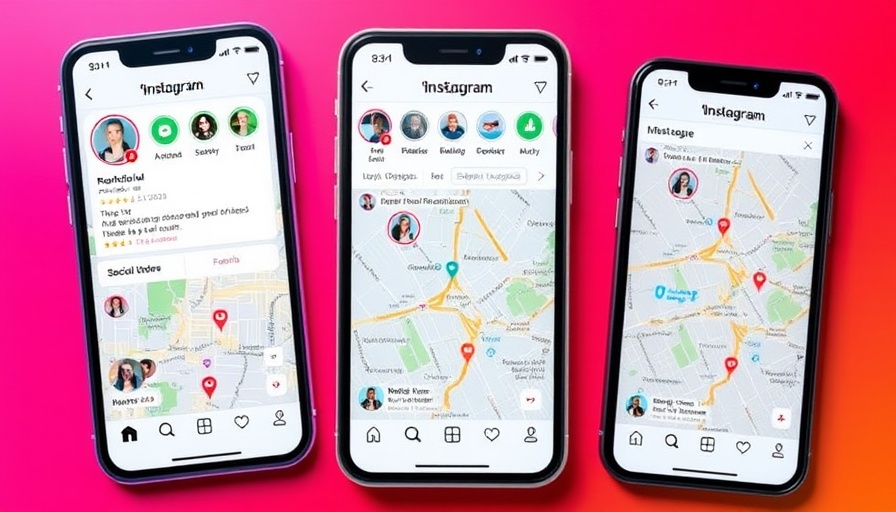
Instagram Map privacy settings interface with location features.

Understanding Instagram Map: An Overview

Instagram has recently introduced a new feature known as "Instagram Map," which enables users to share their active location and discover location-tagged content from others. While similar to Snap Map, where users can share location information with peers, Instagram Map requires users' explicit consent to share their location. Adam Mosseri, the head of Instagram, emphasized through a post on Threads that although the feature is opt-in, users have expressed confusion about its operation. The default setting does not allow others to see your location without your permission.

Importance of Privacy in Location Sharing

As young professionals and tech enthusiasts engage with social media for connectivity and growth, the balance between sharing personal experiences and protecting personal privacy becomes crucial. Concerns about data privacy can lead to misunderstandings, as users mistakenly believe their locations are shared automatically. Instagram reassures users that it operates on a double consent mechanism—which means you control who sees your location, and it only updates when you open the app. Such safeguards align with the growing demand for personal data security in the digital world.

How to Control Your Location Settings

Accessing the Instagram Map is straightforward. Users will find a new "Map" option on their Direct Messages page. Once accessed, they will receive instructions on who can view their location. You can choose to share your location with all followers, only 'Close Friends,' selected users, or opt-out completely. To modify these settings, you can conveniently head to your profile, access settings, navigate to "Story, live and location," and update your preferences under "Location sharing." This personal control allows users to navigate their visibility while enjoying the benefits of location-based features.

How the New Feature May Affect Content Engagement

The launch of the Instagram Map could influence user behavior regarding posting and sharing location-tagged content. With increased awareness of how location tags could be seen by others, individuals might reconsider the practice of tagging locations in Stories or Reels. It’s vital for users to weigh their desire for engagement against potential privacy risks when sharing content that reveals their whereabouts. Influencers and brands will also need to balance authentic engagement while ensuring they adhere to best practices for data protection.

Future Tech Trends in Privacy and Security

As data privacy concerns elevate among users, technologies designed to protect personal information are advancing. Next-gen technology is hybridizing AI-driven tools with data privacy innovations, addressing security like never before. These developments highlight that the future of social media platforms will likely feature enhanced privacy measures. Users can expect to see technologies that leverage AI for real-time data protection, ensuring that individuals can securely enjoy social media without jeopardizing their personal information.

Conclusion: The Path Ahead

In a world where digital interaction is omnipresent, understanding and controlling privacy settings like those offered by Instagram Map is essential. As users, awareness of how to navigate these features allows for a more secure sharing experience without compromising personal safety. Technology continues to evolve rapidly, and so too do the tools that help us protect our data. By staying informed, users can foster a secure digital environment conducive to both personal and professional growth.

Privacy

2 Views

0 Comments

Write A Comment

*
*
Related Posts All Posts
02.25.2026

Dismantling Flock: How Ordinary Citizens Are Resisting High-Tech Surveillance

Update Vandalism or Activism? The Growing Resistance to Surveillance Across the U.S., communities are increasingly pushing back against surveillance technologies, with the destruction of Flock systems becoming a poignant symbol of public dissent. Flock, the Atlanta-based surveillance startup, has faced fury as its license plate readers are utilized by ICE to enforce harsh immigration laws. Reports indicate that individuals—from California to Virginia—are enthusiastically dismantling these cameras as a form of protest against perceived violations of privacy and civil liberties. The Public Outcry Against Flock Surveillance Flock's license plate readers, installed in thousands of communities, serve as tools not just for tracking vehicles, but also for monitoring citizens’ daily movements with implications that extend far beyond traffic enforcement. Last month, after the La Mesa city council chose to continue its contract with Flock despite public opposition, two cameras were reportedly smashed, purportedly as an act of defiance. Reports of similar incidents are surfacing everywhere from Oregon, where cameras were cut down, to Illinois, with installations showing signs of vandalism. Flock's Controversial Data Sharing While Flock claims it does not directly share its data with federal authorities, the reality is more complex. Local police can and have shared information with ICE and other federal entities, prompting fears about overreach and misuse of data. Activists argue that this technology facilitates a surveillance state where innocent citizens may be unjustly targeted. According to a report by the ACLU, local databases are often accessed without proper oversight, allowing conversations about ethical practices to turn into conversations about accountability and governance. This situation highlights a concerning trend where surveillance technologies become tools for political agendas, stoking fear among the public. Counteracting Surveillance: A Growing Movement Grassroots movements, such as DeFlock, are gaining traction and mapping out where these cameras are located, while also providing platforms for citizens to organize against them. As communities rally together, they stand in defiance of local governments that continue to collaborate with companies like Flock, often without public consent or knowledge. The tactics of destruction employed by citizens indicate a deep-seated frustration and a yearning for autonomy in an increasingly monitored society. The Broader Implications of Privacy Erosion This heightened awareness of surveillance systems is not just a localized issue but reflects a larger societal concern regarding personal data security and privacy. As many express support for activists like Jefferey S. Sovern—who was charged for dismantling multiple Flock cameras—it is clear that public sentiment is shifting. Communities across the U.S. are openly questioning the legality and ethics of employing such invasive technology, bringing privacy issues to the forefront of political discussions. What This Means for the Future of Surveillance Technologies Looking ahead, the dialogue surrounding technology and privacy will likely intensify. Legal frameworks must evolve alongside technological advancements to safeguard civil liberties. As municipalities struggle with public discontent over surveillance systems, it remains to be seen whether Flock will adapt, face further backlash, or simply become the latest casualty in the ongoing tug-of-war between innovation and privacy advocacy. In the digital age, with technological advancements shaping our everyday lives, communities must ensure that privacy remains a key consideration in the conversation surrounding emerging tech. Only then can we build systems that reflect our values rather than infringe upon them.

02.17.2026

Ring's Controversial Search Party: Navigating AI's Impact on Privacy

Update The Rise of Surveillance Culture in the Name of Safety In today’s rapidly evolving technological landscape, the balance between community safety and individual privacy is more precarious than ever. Amazon's Ring recently sparked heated debates with its Super Bowl advertisement promoting a new feature called 'Search Party' that purportedly helps find lost dogs using neighborhood surveillance. Critics immediately seized on this as a stark representation of the dystopian realities of mass surveillance, striking a chord with many concerned citizens. Understanding the Backlash: A Community Outcry Shortly after the ad aired, the online discourse escalated. Data firm PeakMetrics reported a spike in conversations across platforms, revealing a generally negative sentiment towards Ring’s portrayal of surveillance as a community service. Notably, Senator Ed Markey highlighted the chilling implications of such technologies, calling for a halt to all facial recognition practices, emphasizing that the ad was not merely about lost pets but about invasive surveillance capabilities. What Makes 'Search Party' So Controversial? Despite the seemingly innocent premise of using technology to find a lost pet, the ad inadvertently showcased how such surveillance systems could be misused. The Electronic Frontier Foundation issued a statement cautioning that this type of technology could easily transition from benign assistance to government surveillance tool, blurring lines that many believe should remain distinct. The Implications of Technological Integration The cancellation of Ring's partnership with Flock Safety, a move announced just days after the Super Bowl ad, illustrates the backlash's effectiveness. Initially planned to integrate Ring footage with law enforcement agencies, the decision has prompted further scrutiny—not just of Ring, but of how surveillance technologies interlink with society's fabric. The backlash illustrates a larger conversation about the ethics of technology—a vital issue as AI and surveillance continue to intertwine. Addressing the Ethical Dimensions of AI in Surveillance As Ring reassesses its approach to community engagement, it raises a pertinent question: How do we ensure ethical use of AI and surveillance technologies without compromising civil rights? The challenge lies in acknowledging that security measures must coexist with respect for individual privacy. Society stands at a crossroads, where embracing convenience should not come at the cost of becoming overly surveilled citizens. Final Thoughts: Navigating the Future of Surveillance The introduction of features like 'Search Party' forces us to ponder the future implications of AI in our daily lives. As technology advances, the onus remains on us as a society to engage in conversations about ethical standards and privacy rights. We must ensure that innovation serves humanity, not the other way around. In a world increasingly driven by technology, we must ask ourselves: what kind of future do we want to build together?

02.17.2026

Homeland Security's Subpoena Tactics: Unmasking Critics of ICE

Update Homeland Security's Aggressive Approach to Unmasking CriticsThe Department of Homeland Security (DHS) has intensified its scrutiny over citizens who criticize Immigration and Customs Enforcement (ICE), leading to an alarming increase in the use of subpoenas directed at major tech companies. Recent reports, particularly highlighted by The New York Times, reveal that the DHS has issued hundreds of subpoenas in a quest to unveil the identities behind anonymous social media accounts opposed to ICE's actions. This trend signals a significant escalation in government efforts to monitor dissent on digital platforms, raising critical questions about data privacy and free speech.The Emergence of Administrative SubpoenasA notable change in DHS’s tactics is the reliance on administrative subpoenas, a process that allows the agency to collect user data without needing judicial approval. This approach, previously used rarely, is now being employed more frequently, as reported by multiple outlets including Bloomberg and The Washington Post. This shift indicates a broader trend where governmental oversight extends into the social media landscape, particularly targeting platforms like Google, Reddit, Discord, and Meta.Implications for Anonymous Speech and PrivacyThe implications of this practice extend far beyond legal technicalities; they impact the very fabric of anonymous speech online. The ability to freely express dissenting opinions without fear of repercussion is essential in a democratic society. As companies like Google have stated, they strive to inform users about subpoenas they receive but also push back on subpoenas that are deemed overly broad. However, the compliance of these tech giants raises concerns about the limits of user privacy and the potential chilling effect on public discourse.Public Backlash and Legal ChallengesThis increasing scrutiny has not gone unnoticed, leading to public backlash and legal challenges. In some instances, individuals targeted by the DHS have successfully pushed back against the subpoenas, prompting the agency to withdraw certain requests. Such resistance highlights the complexities of navigating privacy laws and governmental power, illustrating how engaged citizens can impact policy even in the realm of technology and surveillance.Future Trends: Balancing Security and PrivacyAs we look toward the future, the intersection of technology, security, and personal privacy will continue to evolve, particularly as technologies such as AI and machine learning become more integrated into surveillance practices. Emerging tech trends indicate that data privacy will remain a significant concern for individuals and organizations alike. The ramifications of these subpoena practices raise questions about how societies can effectively balance state security needs with the fundamental rights to privacy and free expression.Understanding the Importance of Data PrivacyIn a landscape where technology plays a crucial role in governance and social interaction, understanding data privacy is paramount. The shift toward administrative subpoenas challenges the protections that individuals once assumed were guaranteed by more traditional legal processes. Engaging in conversations about how data is collected, shared, and protected will be essential for protecting our rights as technology continues to permeate every aspect of life.

Terms of Service

Privacy Policy

Core Modal Title

Sorry, no results found

You Might Find These Articles Interesting

T
Please Check Your Email
We Will Be Following Up Shortly
*
*
*

