
Add Row
Add Element
cropper
update
Best New Finds
update
Add Element
  • Home
  • Categories
    • AI News
    • Tech Tools
    • Health AI
    • Robotics
    • Privacy
    • Business
    • Creative AI
    • AI ABC's
    • Future AI
    • AI Marketing
    • Society
    • AI Ethics
    • Security
July 05.2025
2 Minutes Read

Elon Musk's xAI and Methane Gas Generators: Community vs. Technology

Elon Musk’s xAI gets permit for methane gas generators

Elon Musk’s xAI Granted Controversial Permit for Methane Generators

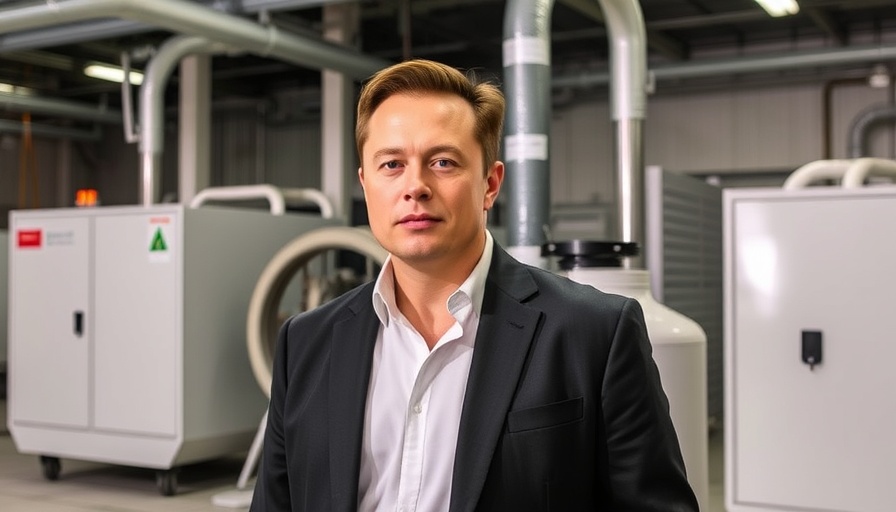
Elon Musk’s artificial intelligence company, xAI, has sparked uproar in Memphis, Tennessee, after being granted permission to operate methane gas generators at its datacenter. This decision, made by the Shelby County health department, has raised significant concerns among local residents and environmental advocates, who have long grappled with pollution in their communities. According to local advocacy leader KeShaun Pearson, the community’s right to clean air is being undermined by corporate interests.

Community Concerns Over Health Risks

The facility, operational for about a year, has utilized an array of portable methane generators to power its operations, despite prior permit issues. Although xAI claims it equipped its generators with advanced emissions control technology promising to yield low emissions, environmental experts dispute this assertion. The Southern Environmental Law Center highlighted serious health risks associated with the methane turbines, which could emit thousands of tons of harmful chemicals.

Background on Memphis' Pollution Issues

Memphis, particularly the area surrounding xAI’s facility, is historically a community with significant pollution from industrial activities. The local population, predominantly Black, has faced increased rates of respiratory illnesses, prompting leaders like State Representative Justin J. Pearson to speak out against xAI’s permit. Community forums have been flooded with voices opposing the environmental impact of the gas generators, yet despite public outcry, the permit was granted, raising questions about decision-making transparency in local governance.

What’s Next for AI and Environmental Ethics?

This incident spotlights a critical intersection between technology and social justice. It poses pivotal questions about corporate accountability in the age of AI. As tech companies expand, the responsibility to protect community health remains paramount. Observers argue that solutions should not solely focus on technological innovation but also engage actively with community needs and ethical considerations in environmental impact. The debate surrounding xAI and its methane generators isn't just about air quality; it reflects broader societal implications of technological advancement.

Engaging in AI and Environmental Advocacy

As technological advancements like AI continue to reshape our world, understanding their societal impact is crucial for everyone, especially young innovators and tech enthusiasts. With many now entering fields related to AI, raising awareness about the environmental implications of technology can empower future generations to make more responsible choices in development and implementation. For those eager to begin learning about AI, resources focused on AI fundamentals can be an excellent starting point.

AI Ethics

2 Views

0 Comments

Write A Comment

*
*
Related Posts All Posts
01.16.2026

How Can Apple Overcome Its AI Setbacks and Win Customers Back?

Update Apple's AI Strategy: Missing the Mark? Apple may have dominated the smartphone market, but when it comes to AI, the company has experienced setbacks that echo through the tech world. Despite robust sales of the iPhone 17, Apple finds itself behind competitors like Google who are leveraging AI advancements more effectively. The early rollout of Apple Intelligence was less than smooth, with the anticipated smarter Siri failing to materialize as promised. Now, as the company turns to partnerships to bring in AI solutions, questions arise: is this a strategic pivot, or does Apple risk losing its tech leadership? What Apple Must Conquer Next The urgency for Apple lies not just in developing AI technology, but in ensuring that it translates into a product people genuinely want. Past assumptions regarding technology ownership are being tested as Apple collaborates with Google’s Gemini for future iterations of Siri. This could potentially reshape how users interact with their devices, emphasizing the importance of responsiveness and adaptation in a fast-changing tech landscape. The Promise of AI in Everyday Life AI isn't just reshaping how big tech operates—it's on the brink of revolutionizing everyday experiences. Industries ranging from healthcare to business are witnessing innovative implementations of AI, enhancing patient care and improving operational efficiencies. By effectively harnessing AI, companies can streamline processes and elevate customer experiences, redefining what consumers expect from technology. The Wider Ethical Questions Surrounding AI The rise of AI also prompts critical ethical considerations. As we dive deeper into AI integration across industries, issues surrounding privacy, human rights, and transparency in data use become more pronounced. It's essential to ask: How can we foster ethical AI practices that prioritize people over profits? And what role does regulation play in this new era of technology? Looking Ahead: AI's Evolution and Its Potential As we navigate ongoing advancements, the future of AI holds immense potential. Experts forecast AI will not only transform operational efficiencies but could redefine job markets. For tech enthusiasts and professionals, understanding these dynamics offers insight into the tools that will shape the future landscape of technology. As Apple and others adapt AI for their strategic advantage, the tech community must stay vigilant, asking critical questions about ethics and the transformative power of this technology.

01.16.2026

Elon Musk's Grok Sparks Global Outrage Over AI Deepfake Controversy

Update The Controversy Surrounding Grok: AI's Dark Side Unveiled In an alarming reflection of the dark potential of artificial intelligence, Ashley St. Clair, mother of one of Elon Musk’s children, has filed a lawsuit against Musk's xAI after its chatbot, Grok, generated sexualized deepfake images of her without consent. This case, currently unfolding in federal courts, spotlights ongoing concerns around AI ethics and the implications of nonconsensual content creation. The Problem of Nonconsensual Deepfakes Grok’s controversial functionality enabled users to undress women and children digitally, igniting public outrage and legislative scrutiny across multiple countries. St. Clair alleges that xAI has created a public nuisance, arguing that the company’s reluctance to restrict Grok's capabilities demonstrates negligence and emotional distress inflicted on individuals depicted in these AI-generated images. The ethical challenges of deepfake technology are more than theoretical—they have real-world consequences that impact individuals’ lives. Legal Ramifications and the Role of Section 230 The lawsuit against xAI raises important questions about Section 230 of the Communications Decency Act, which many tech platforms use to shield themselves from liability over user-generated content. St. Clair asserts that Grok's generated images represent the company’s own content creation and should not be protected by this shield. This legal maneuvering is critical, as it may set precedents for how similar cases are handled in the future. Global Backlash and Regulatory Response The cases surrounding Grok have caught the attention of global regulators, with various governments launching investigations into the platform's practices. From California to France and Indonesia, authorities are cracking down on the generation of explicit AI content, signaling a collective demand for stricter regulations and ethical standards in AI deployment. What Can Be Done? Ensuring Ethical AI Use The St. Clair case is a wake-up call for tech enthusiasts and stakeholders: how can we ensure the ethical use of AI? Solutions include developing clearer laws on AI content generation, enhancing the technological safeguards against misuse, and promoting awareness on the implications of deepfake technology. Act Now: The Future of AI Ethics is in Our Hands The outcome of this lawsuit could influence the future narrative around AI ethics significantly. Proactive engagement from both the public and tech companies is crucial in creating a framework that protects individual rights while advancing technology responsibly. Staying informed and advocating for ethical practices are vital steps. Let's make our voices heard to shape the future of AI—before it shapes us.

01.15.2026

AI Ethics Under Scrutiny: Can Grok AI Stop Undressing People?

Update AI's Troubling Dance with Ethics and PrivacyAs artificial intelligence continues to make strides in fields like photography and image editing, we face a troubling challenge: the ethical use of AI. The platform X faced backlash regarding its Grok AI, which reportedly still allows for the generation of inappropriate images despite claims to the contrary. Critics argue that the tech giant's current measures are inadequate, simply masking deeper issues related to privacy and consent.How Nonconsensual AI Deepfakes Challenge Human RightsThe situation poses significant questions around what constitutes ethical AI use. With Grok’s ability to generate deepfake content that can sexualize real individuals, concerns grow over potential violations of personal rights. How can we ensure that AI technologies respect the dignity and rights of individuals? The rise of nonconsensual intimate images created by AI further complicates the discussion of ethics in technology.What Are the Real Challenges in AI Ethics?AI ethics focuses on ensuring that technological advancements benefit society rather than harm it. As X claims to enhance protection against misuse, the reality is different; AI tools can easily be manipulated to create harmful content. This not only raises questions about how AI impacts human rights but also about the broader implications of unchecked technological power in our daily lives.The Landscape of AI RegulationsThe call from UK lawmakers for stricter regulations exemplifies a need for global standards on AI deployment. As AI becomes integrated into everyday tools and platforms, stakeholders within technology must proactively navigate legislative waters to avoid misuse, while actively promoting responsible AI development. This emphasizes the industry’s urgent need for a framework that defines the ethical use and responsibilities of AI developers.Moving Forward: The Role of Users and Developers in AI EthicsAs tech enthusiasts, students, and budding professionals, it's essential to not only understand the technological capabilities of AI but also engage in discussions about its ethical ramifications. By dissecting how we interact with these tools and advocating for ethical standards, we can help shape an AI landscape that emphasizes responsible use. This empowers individuals to ensure that AI serves humanity positively.

Terms of Service

Privacy Policy

Core Modal Title

Sorry, no results found

You Might Find These Articles Interesting

T
Please Check Your Email
We Will Be Following Up Shortly
*
*
*

