
Add Row
Add Element
cropper
update
Best New Finds
update
Add Element
  • Home
  • Categories
    • AI News
    • Tech Tools
    • Health AI
    • Robotics
    • Privacy
    • Business
    • Creative AI
    • AI ABC's
    • Future AI
    • AI Marketing
    • Society
    • AI Ethics
    • Security
May 24.2025
2 Minutes Read

Discover How AI Healthcare Innovations are Transforming Radiology

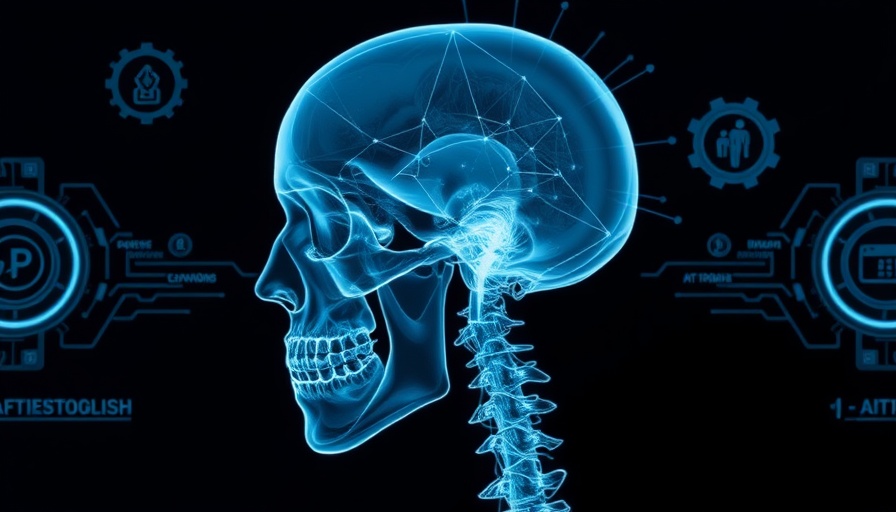
X-ray skull with AI healthcare visualization graphics, intricate and detailed.

Revolutionizing Radiology: The Impact of AI

The integration of artificial intelligence (AI) in radiology is changing the landscape of healthcare, offering new avenues for improvement in workflows and diagnostic support. Radiologists around the globe are beginning to embrace AI technologies to enhance their efficiency and accuracy.

Transforming Diagnostic Processes with AI

At institutions like UW Health in Wisconsin, radiologists are utilizing AI-powered image reconstruction algorithms in MRI, CT, and PET scans. These advancements lead to quicker scan times and improved image quality, enabling healthcare providers to make better-informed decisions. Dr. Scott Reeder, chair of the radiology department at UW School of Medicine and Public Health, notes that AI tools can flag potential abnormalities within a minute of an X-ray being captured, allowing for immediate intervention. Such a rapid response is crucial in emergency situations, demonstrating the real-world impacts of AI-driven health solutions.

Tackling Workforce Challenges and Reducing Burnout

AI technology not only improves diagnostic capabilities but also helps address critical issues like workforce shortages and clinician burnout. As the demand for healthcare services continues to rise, the advent of AI-assisted radiology aims to relieve some of the administrative burdens placed on radiologists. By automating certain tasks, AI allows healthcare professionals to dedicate more time to the clinical aspects of care, thus enhancing overall patient outcomes.

Future Considerations for Healthcare Organizations

For AI to be fully realized in radiology, healthcare organizations must engage in thoughtful integration of technology within their existing infrastructure. Research from Mutaz Shegewi, senior research director at IDC Health Insights, highlights the importance of workflow integration and robust security measures when adopting new AI applications. Only those AI solutions that have gained FDA approval will be implemented in health systems, ensuring safety and efficacy in medical practice.

As AI technology in radiology evolves, it promises not only to enhance the accuracy of diagnostics but also to foster a healthcare environment that is more agile and responsive to patient needs. The shift towards AI in healthcare is a testament to the industry's commitment to innovation, ultimately paving the way for a healthier future.

With these advancements, healthcare professionals and organizations alike are encouraged to leverage AI as a tool for transforming their practice. If you’re interested in more insightful information on health technology and AI in healthcare, stay engaged and informed about the latest developments!

Health AI

4 Views

0 Comments

Write A Comment

*
*
Please complete the captcha to submit your comment.
Related Posts All Posts
03.29.2026

WHOOP: Transforming Health Insights from Athletes to Everyday Life

Update The Cutting Edge of Wearable Tech: WHOOP's Next Move In an ever-evolving landscape of wearable technology, WHOOP has firmly positioned itself as a pioneer, gaining attention with high-profile endorsements from athletes like LeBron James. Now, the company's ambition extends beyond elite athletes; it aims to revolutionize health monitoring for everyday consumers. The conversation around WHOOP's impact on health and fitness management is gaining momentum, particularly as it seeks to make advanced fitness tracking more accessible to all. Understanding WHOOP's Unique Approach to Health Data Unlike traditional fitness trackers that primarily focus on steps and heart rate, WHOOP offers sophisticated insights into various metrics that are crucial for overall health, including sleep quality, recovery rates, and strain levels from workouts. Its latest devices effortlessly integrate with a mobile app that translates raw data into actionable insights, designed to foster healthier habits, thereby appealing to tech-savvy users eager to maximize their wellness. Consumer-Focused Features That Set WHOOP Apart One of the most compelling advantages WHOOP offers is its subscription-based model, which allows users to access advanced features without the hefty upfront cost typically associated with wearable technology. The WHOOP MG, for instance, boasts exceptional battery life of up to 14 days, continuous monitoring, and a unique approach to fitness analytics, tracking every aspect of your health while emphasizing personal improvement. Trends in Personal Health Technology: The Next Big Thing The rise of digital health tools like WHOOP comes amid growing consumer interest in personalized medicine and wellness protocols. As more individuals demand detailed analytics about their daily performance and health, the market for such devices is expected to soar. The WHOOP device, along with its daily coaching features and health insights, serves as a microcosm of this trend, reflecting a shift toward more engaged health management. Health Tech for Everyone: The Implications As WHOOP gears up to target a broader consumer base, the implications for the health tech industry are significant. By making high-quality health tracking accessible to individuals beyond just fitness enthusiasts, WHOOP helps normalize the use of wearables for everyone, including those less engaged in fitness. This democratization of health data paves the way for a future where personal health monitoring is as commonplace as smartphone usage. The Future of WHOOP: What’s Next? As the landscape of health and fitness technology continues to evolve, WHOOP’s strategy to appeal to a wider audience suggests it could play a critical role in transforming personal health management. Expectations are high for future innovations that could encompass not only broader tracking capabilities but also integrations with health care systems. This could open up new pathways for proactive health management and preventive care, particularly in relation to telehealth advancements and personalized medicine. Conclusion: The Power of WHOOP's Wearable Tech By focusing on personalized engagement and continuous improvement, WHOOP is likely to reshape how health consciousness is perceived in society. Consumers, from fitness novices to health-focused elders, can all potentially benefit from adopting such tools as integral parts of their routines. Now is the time to engage with this cutting-edge technology and see firsthand how data-driven insights can empower your health journey. For more on how WHOOP and similar tech innovations can improve your health, explore the latest features of these sophisticated wearable devices.

03.23.2026

Explore How Amazon Health AI Is Changing the Caring Landscape

Update Amazon’s Health AI: Simplifying Access to Care Amazon is stepping up in the health tech space by rolling out Health AI to a wider audience. Originally limited to One Medical members, this innovative health assistant will now be accessible to most users on Amazon’s app and website, promising to make healthcare more straightforward and less intimidating for everyone. How Amazon Health AI Works: A Personal Health Companion With the power of AI, Amazon Health AI can address common health questions and provide tailored wellness advice. By integrating users' health histories, medications, and conditions, Health AI offers insights that are surprisingly personal. Users gain more accurate responses when they agree to let the AI access their medical records, allowing it to offer tailored advice based on individual health situations. Health AI doesn’t stop at simply answering questions; it also supports users in managing their prescriptions via Amazon Pharmacy and can even connect them to healthcare professionals through One Medical for both virtual and in-person consultations. This multifaceted approach emphasizes user convenience while aiming to enhance the overall healthcare experience. A Familiar Landscape: Competing in Health AI Amazon is not alone in this healthcare revolution. Other tech giants like OpenAI have introduced alternatives such as ChatGPT Health, which similarly provides answers to health queries. Each of these platforms emphasizes a unique blend of technology and healthcare support, prompting a competitive environment that questions how consumers decide which tool to trust. Concerns about AI's accuracy, especially in sensitive health matters, have surfaced. Experts suggest users approach AI-generated advice with skepticism and validate it with their healthcare providers when it comes to clinical decisions. Despite these concerns, Amazon asserts that its Health AI is designed with strict security measures to ensure patient data is protected. The Future of Health Care: Personalized and Data-Driven Health AI’s introduction reflects a significant shift towards “personalized medicine at consumer scale,” as described by Amazon Health executives. This AI tool aims to provide continuous, user-friendly health insights and navigation, indicating a future where consumers are better informed about their health and more engaged in managing their care. This strategy aligns with expectations in the health tech industry that AI will disrupt traditional models of care delivery. As different healthcare providers start to adopt similar AI-driven models, it could reshape how patients interact with the healthcare system, reducing the burden on providers while improving patient experiences. Getting Ready for the AI Health Revolution As Amazon gears up for a broader rollout, it aims to connect users with additional health and nutritional coaching. This forward-thinking approach could help consumers gain critical insights into their health management, potentially preventing more severe health issues from arising. With continuous updates and upgrades, including the integration of features to support mental and physical well-being, Health AI embodies an evolving landscape in healthcare that prioritizes user access and understanding. Conclusion: Embracing AI in Healthcare As Amazon’s Health AI becomes widely available, it signifies an important step towards integrating technology with health care. The focus on personalized patient experiences and ease of access could dramatically improve health outcomes. To stay ahead in this rapidly evolving marketplace, it’s crucial for both startups and established providers to consider how they can utilize AI to enhance patient care, making it more efficient and accessible.

04.13.2026

Transforming Care: How Smart Hospitals Advance Health Technology

Update How Smart Hospitals Enhance Patient Care and Operational Efficiency The shift towards smart hospitals marks a significant transformation in healthcare delivery, merging advanced technologies with patient-centered care. These applications aim not only to improve patient outcomes but also to enhance the workflow for healthcare professionals, thereby revolutionizing the hospital environment. The Impact of Technology in Smart Hospitals Smart hospitals utilize connected technologies such as artificial intelligence (AI), machine learning, and real-time data analytics to facilitate better patient care. A recent analysis determined that the market for smart hospital technology was approximately $67 billion in 2024 and is expected to triple by 2030. Dr. Bill Fera from Deloitte emphasizes that no new hospitals are being established without incorporating these technologies at their core. UMass Memorial Health: Leading the Charge One of the prominent examples of this evolution is UMass Memorial Health, which has invested heavily in digital health initiatives. Their North Pavilion facility features 72 smart rooms equipped with digital displays that provide real-time updates about patient conditions. This architecture ensures healthcare teams can provide timely and tailored care based on current data. Staff Satisfaction and Patient Outcomes Data from healthcare reports indicate that integrating smart technologies in hospitals can lead to improved employee satisfaction. Tools like digital health devices and telehealth platforms enable professionals to focus more on direct patient interaction, thus enhancing job satisfaction. Not only do these innovations streamline operations, but they also contribute to better patient outcomes, fulfilling the promise of personalized medicine. Future Predictions and Trends in Healthcare Technology As we look to the future, there are predictions for a more interconnected healthcare ecosystem. The infusion of AI-driven insights means hospitals will likely move toward predictive analytics, which can significantly improve care management. These advancements will not only mitigate costs but also enhance the overall quality and accessibility of healthcare services. The Larger Picture: Transforming Healthcare at Scale The evolution towards smart hospitals is not merely about enhancing individual facilities but represents a nationwide shift aimed at overhauling the healthcare system. As institutions adopt these technologies, we can anticipate greater consistency in care delivery, reduced errors, and more substantial support for healthcare providers, thus improving the quality of care across the board. This wave of innovation is just the beginning. With rapidly advancing technologies, smart hospitals are positioning themselves to meet the challenges of the modern healthcare landscape, providing promising solutions for delivering sustainable, efficient, and effective patient-centered care.

Terms of Service

Privacy Policy

Core Modal Title

Sorry, no results found

You Might Find These Articles Interesting

T
Please Check Your Email
We Will Be Following Up Shortly
*
*
*

