
Add Row
Add Element
cropper
update
Best New Finds
update
Add Element
  • Home
  • Categories
    • AI News
    • Tech Tools
    • Health AI
    • Robotics
    • Privacy
    • Business
    • Creative AI
    • AI ABC's
    • Future AI
    • AI Marketing
    • Society
    • AI Ethics
    • Security
July 09.2025
3 Minutes Read

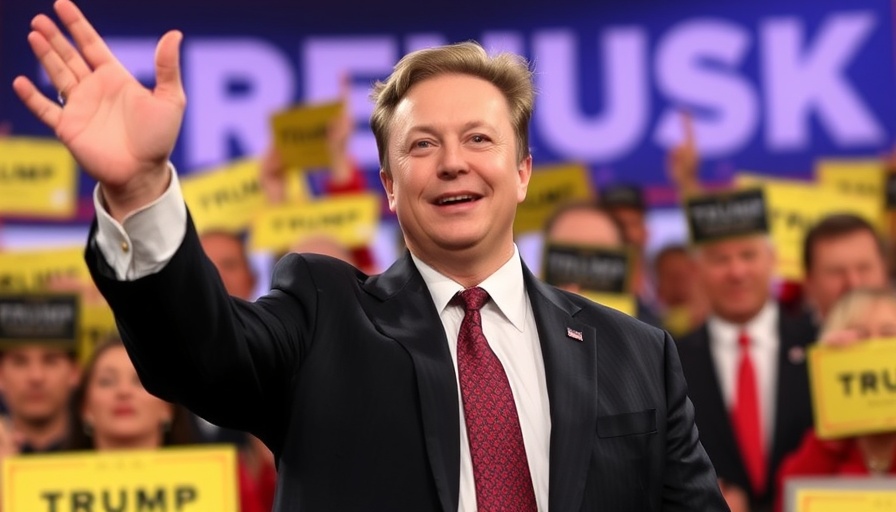
Could Elon Musk’s New America Party Revolutionize Politics Without a Trump-like Figure?

Does Elon Musk’s new political party need its own Donald Trump?

Elon Musk’s Ambitious Political Move

Elon Musk, often at the forefront of technological advancements, is now venturing into political terrains, threatening to establish a new party dubbed 'The America Party.' This comes amidst a spiking feud with former President Donald Trump. The background involves recent turbulence surrounding tax legislation, where Musk has publicly criticized President Joe Biden’s sweeping tax bill, referring to it as an 'abomination.' In a political landscape dictated by loyalty to party lines, Musk's ambitions reflect a desire for more centrist options.

What Does Musk’s Party Aim to Change?

The primary goal for Musk's planned political party appears to be to challenge Republicans who aligned themselves with the tax bill. His plan is to focus on gaining seats in the House and Senate by targeting specific districts. Although Musk himself hasn't expressed intent to run for office, he understands the value of having a charismatic figure, reminiscent of Trump's personality, at the helm to propel his political agenda forward.

Can Musk Succeed Without a Political Star?

For Musk’s political aspirations to gain traction, the recruitment of a compelling candidate resembling Trump is crucial. Historically, third-party movements in America have struggled; however, with Musk’s financial backing and the right charismatic leader, the 'America Party' might present a formidable challenge to the current political order. The need for a well-known figure is underscored by Musk's own experiences, which suggest that financial power alone isn’t enough to win elections.

The Fallout of Musk's Political Aspirations

Musk's political maneuverings have already started to affect his business, with Tesla's stock price falling in response to his political declarations. This volatility demonstrates how intertwined Musk’s identity as a business magnate and political activist can lead to significant consequences in both spheres. Observers note that his previous ventures in political endorsements have not always yielded favorable outcomes, as shown in recent elections where candidates he supported failed to secure victories.

The Link Between Technology and Politics

Musk's innovative approach to technology is now blending with politics, a fusion that could drastically reshape the political landscape. Harnessing his resources, he ventures beyond traditional frameworks, reflecting how technology increasingly influences governance. The societal implications are profound, prompting citizens to reconsider how tech figures like Musk can steer political ideologies and elections.

As the audience begins to observe the evolution of Musk's party and potential candidates, implications for technology's role in democracy and governance become clearly apparent. Are we ready for tech giants to reshape governance, or do we need to reevaluate the influence of wealth in political campaigns? How will political dynamics shift with technology at the helm?

In conclusion, Musk’s potential political endeavors challenge not just party politics but invite all of us to ponder how technology intersects with our governance. To understand these developments and their implications fully, follow his political journey closely and engage in discussions about the role of technology in democracy.

Society

2 Views

0 Comments

Write A Comment

*
*
Related Posts All Posts
01.08.2026

Roblox's Global Age Check Requirement: Enhancing Child Safety in Gaming

Update Roblox's New Age Verification: A Direct Response to Child Safety Risks Roblox, a renowned platform for online gaming, has recently made a significant move by implementing required age checks for all users who wish to access its chat features. This decision comes amid ongoing scrutiny regarding child safety and the increasing pressure from legal actions, driven by reports of inappropriate content and potential grooming avenues on the platform. The Age Check Process Explained To access the chat functionalities, users will now need to undergo facial verification through a camera-enabled age-check process within the app. Following a series of on-screen directives, users' ages will be roughly estimated through AI technology provided by a third-party vendor, Persona. This system categorizes users into one of six age groups, enabling them to interact with peers in their respective ranges safely. If users do not pass the facial verification process, they can appeal and opt for alternative methods such as ID verification or parental control systems that allow parents to manage their children's ages. Interestingly, while chat features require verification, users can still access Roblox without undergoing an age check. Understanding the Legal Context This strategic rollout comes as a response to multiple lawsuits against Roblox from the attorneys general of various states, including Texas and Louisiana. These lawsuits argue that Roblox has endangered young users by allowing them to be exposed to harmful interactions, which have raised alarms about grooming and explicit contact between users. The lawsuits claim that the platform does not sufficiently protect its child users, necessitating this drastic verification step as a safeguard. Roblox's Vision for a Safer Gaming Environment According to Roblox’s Chief Safety Officer, Matt Kaufman, this mandatory age verification is a pivotal step toward establishing what they hope will become the industry standard for online communication safety. As millions of users engage with the platform, the company anticipates that these changes will expand to other collaborative features within Roblox Studio, enhancing the overall safety framework of the platform. The introduction of these age checks reflects a broader trend in online platforms toward prioritizing user safety, particularly for young users. Platforms like Discord and Snapchat have faced similar scrutiny, and the increasing importance of safety mechanisms is prompting significant changes across the digital landscape. Concerns and Skepticism Despite Roblox’s assurances that the age verification technology is accurate, skepticism remains. Critics highlight potential inaccuracies in the age estimation process, particularly for younger users, which could hinder proper engagement. The age estimation is reported to have a margin of error of about two years, leading some to doubt its efficacy. As digital safety concerns grow, players and parents alike are left wondering whether these measures can genuinely curb the incidents of exploitation and inappropriate interactions. Impact on Future Tech and User Dynamics in Gaming As Roblox implements this age verification system, its implications will resonate far beyond its own platform. The move sets a precedent for other online services catering to younger audiences, urging them toward similar implementations of robust age verification mechanisms. The growing emphasis on compliance with safety regulations and the development of technology capable of effective user identification will likely shape the future of online interactions in gaming and social platforms. Moreover, the integration of AI tools for age verification may prompt upcoming tech innovations in user safety across various sectors. For industry enthusiasts, keeping abreast of these developments will be crucial as the landscape of online engagement continues to evolve. In conclusion, Roblox’s recent changes signal a noteworthy shift towards greater accountability in protecting its young audience amidst pressures from both users and legislative bodies, aiming for a safer, more responsible online environment.

12.28.2025

Friendship Apps Rise: Can They Help Combat Loneliness Epidemic?

Update Loneliness in the Digital AgeAs the world becomes increasingly digital, the problem of loneliness has also taken on new dimensions. The U.S. Surgeon General declared loneliness a national health crisis in 2023, sparking discussions about the importance of social connections in our lives. In particular, remote workers and younger generations are feeling the gaps left by traditional social structures, such as offices and community gatherings. As loneliness rates rise, there's a growing need for creative solutions—and this is where friendship apps come into play.Breaking the Stigma of Online FriendshipsOnline dating apps have paved the way for reducing stigma around digital connections. In the same way that platforms like Tinder and Bumble changed the game for romantic relationships, new friendship-focused apps are now stepping into the limelight. Over a dozen of these apps already cater to individuals looking to foster platonic relationships, generating impressive financial returns and millions of downloads. These platforms, like Timeleft and Meet5, indicate significant consumer interest in making new friends, representing a shift in how we think about socialization.Unique Features of Friendship AppsEach friendship app brings something unique to the table, addressing different aspects of social interaction. The 222 app uses personality tests to match users and organize in-person meetups at local events. This method provides a structured way to connect socially while easing the anxiety that often accompanies meeting new people. Another notable app is Bumble BFF, which evolved from the established dating platform to emphasize group meetups, catering to those eager to expand their social circles without the pressure of one-on-one engagements.The Emerging Solutions to a Growing ProblemAs the COVID-19 pandemic continues to reshape our social landscape, many have lost touch with their friends. According to estimates, 40% of U.S. adults have reported losing contact with nine or more friends since the pandemic began. Friendship apps are emerging as a vital solution to counteract this loneliness epidemic. Startups like Bloom Community and Wyzr Friends are taking additional steps to create safe spaces for socialization, focusing on events that encourage community engagement while also being accessible to marginalized groups.Predictions on the Future of Friendship TechThe future of socializing lies not just in reconnecting existing friendships but in creating new ones through innovative technology. Experts predict that as more individuals become comfortable with technology, the trajectory of friendship apps will only continue to rise. Investment in niche platforms designed for specific demographics—like women or younger audiences—will likely thrive, echoing trends seen in the dating app sector. This shift recognizes the necessity of community connection in healing and improving overall well-being.How to Get Started with Friendship AppsIf you’re looking for new friends, diving into the world of friendship apps may be a great option for you. Start by exploring major platforms like Bumble BFF or Meetup to find groups that align with your interests. Remember, making new friends often requires stepping outside of your comfort zone. Attend events, engage with your matches, and don't be afraid to take the initiative to plan outings. Building meaningful connections takes time and effort, but the resulting friendships can be incredibly rewarding.As the friendship app landscape continues to evolve, keeping abreast of emerging trends and tools ensures you’re prepared to tackle your next social adventure. Download one of these apps today to start making connections—who knows who you might meet next?

12.20.2025

Instacart to Settle for $60 Million: A Big Win for Consumer Rights

Update Instacart Settles FTC Allegations for $60 Million: What You Need to Know Instacart, the popular grocery delivery service, has made headlines by agreeing to pay $60 million to settle allegations from the U.S. Federal Trade Commission (FTC) regarding misleading advertising and subscription practices. The settlement arises from complaints that the company employed deceptive tactics that not only increased costs for consumers but also limited their ability to obtain refunds on orders. The Allegations: A Closer Look The FTC's inquiry revealed that Instacart's advertisements claiming "free delivery" for first-time orders were misleading. While customers were drawn in by this claim, they were still charged mandatory service fees—sometimes totaling up to 15%—to have their groceries delivered. Additionally, Instacart's claims of a "100% satisfaction guarantee" were criticized for implying that full refunds would be issued, which was generally not the case when consumers received late deliveries or poor service. Transparency and Fairness in Online Services According to Christopher Mufarrige, Director of the FTC’s Bureau of Consumer Protection, their focus in this case reflects a broader commitment to ensuring fairness in digital marketplaces. "We want to eliminate deceptive practices that mislead consumers and distort competition," Mufarrige stated. The FTC has been increasingly vigilant about deceptive billing practices across various sectors, indicating a growing trend where consumers are returning to a desired transparency from the businesses they engage with. What Does This Mean for Consumers? As a result of the settlement, consumers who were charged without their informed consent for Instacart+ memberships will get their money back. This is significant, as many individuals unknowingly became subscribers during free trials that lacked clear terms of agreement. Moreover, moving forward, Instacart is required to make its subscription and fee structures more transparent, disclosing important information upfront to prevent similar issues in the future. AI and Its Role in Pricing Strategies Interestingly, this settlement comes amidst an ongoing investigation into Instacart's AI-driven pricing tool, which reportedly causes different prices for the same items at identical stores. Critics express concerns that AI systems can amplify pricing disparities, resulting in some customers unknowingly overpaying. Reports indicate that Instacart attributes price variations to the decisions made by retailers rather than user data, but the transparency of these algorithms remains a topic worth monitoring. The Bigger Picture: Evolving Beyond Just Refunds This settlement is part of a larger narrative surrounding consumer rights in an increasingly digitized economy. We live in an age where trust is foundational; businesses must acknowledge the implications of their marketing strategies, especially in an era dominated by advanced technologies and AI. Consumers are urged to be vigilant and informed, keeping track of how their data is used and what fees they are really paying. Conclusion: Join the Movement for Transparency While Instacart's settlement is a small victory for consumer rights, it should pave the way for more widespread reforms in the industry. This incident highlights the necessity for tighter regulations surrounding deceptive practices in advertising. As consumers, it’s essential to advocate for clarity in marketing and pricing practices. We should hold companies accountable to ensure that our trust is well-placed. As you navigate online services, consider how you can advocate for transparency in pricing and delivery practices, contributing to a more equitable marketplace. Stay informed, be cautious, and don’t hesitate to demand the accountability we all deserve in our business interactions.

Terms of Service

Privacy Policy

Core Modal Title

Sorry, no results found

You Might Find These Articles Interesting

T
Please Check Your Email
We Will Be Following Up Shortly
*
*
*

